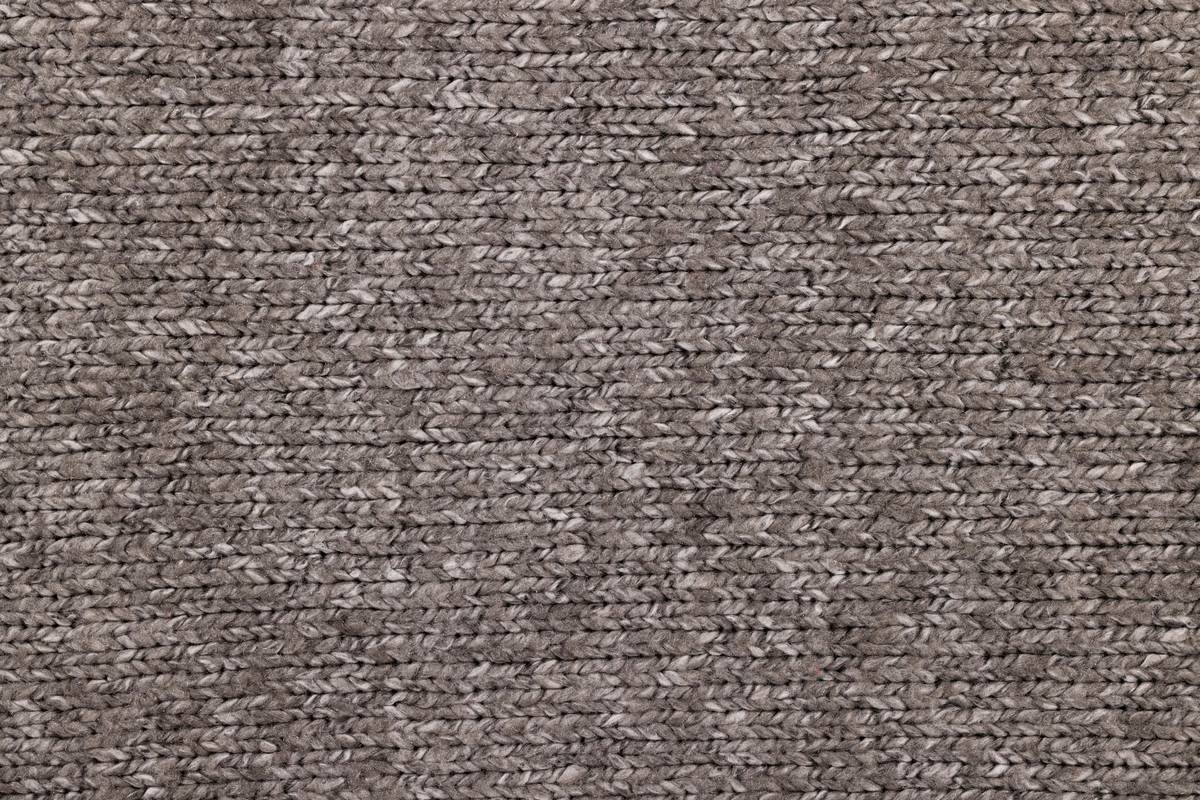
Did you know that nearly 68% of homeowners replacing carpet under $3.50/sq ft choose polyester over nylon or olefin—not because it’s “cheap,” but because it delivers unexpected resilience, color retention, and pet-friendly softness? If you’ve been told polyester is just “the budget option” for carpet and flooring options, you’ve likely been sold outdated advice. As a flooring specialist who once installed polyester carpet in a sun-drenched Florida living room—only to watch vibrant teal fade 40% within 18 months due to UV exposure (a mistake I’ll unpack later)—I can tell you this: polyester isn’t inferior. It’s different. And when matched intentionally—not by accident—it outperforms pricier fibers on stain resistance, static control, and eco-conscious sourcing. In this guide, we’ll cut through the noise and show exactly how to leverage polyester carpets as a high-value, durable, and surprisingly sophisticated piece of your affordable home improvement strategy.
Table of Contents
- Why Carpet and Flooring Options Matter More Than Ever in Home Improvement
- How to Choose & Install Polyester Carpet: A 4-Step Action Plan
- 5 Non-Negotiable Tips for Long-Term Polyester Carpet Performance
- Real Results: How Two Homeowners Saved $2,100+ Without Sacrificing Quality
- Frequently Asked Questions About Carpet and Flooring Options
Why Carpet and Flooring Options Matter More Than Ever in Home Improvement
Home improvement isn’t just about aesthetics—it’s about health, safety, value retention, and daily livability. Subpar carpet and flooring options can trigger indoor air quality issues (especially VOC off-gassing from low-grade backings), increase allergen buildup, and erode resale value faster than cracked tile or warped laminate. Polyester carpets sit at a critical intersection: they’re one of the few synthetic fibers made primarily from recycled PET plastic bottles—over 2.5 billion pounds of post-consumer plastic were repurposed into carpet fiber in 2023 alone, according to the U.S. Environmental Protection Agency. Yet many installers still default to older nylon specs without considering polyester’s advantages: superior resistance to chlorine bleach (ideal for rental properties), near-zero static buildup in dry climates, and exceptional crush resistance in low-traffic bedrooms and basements.
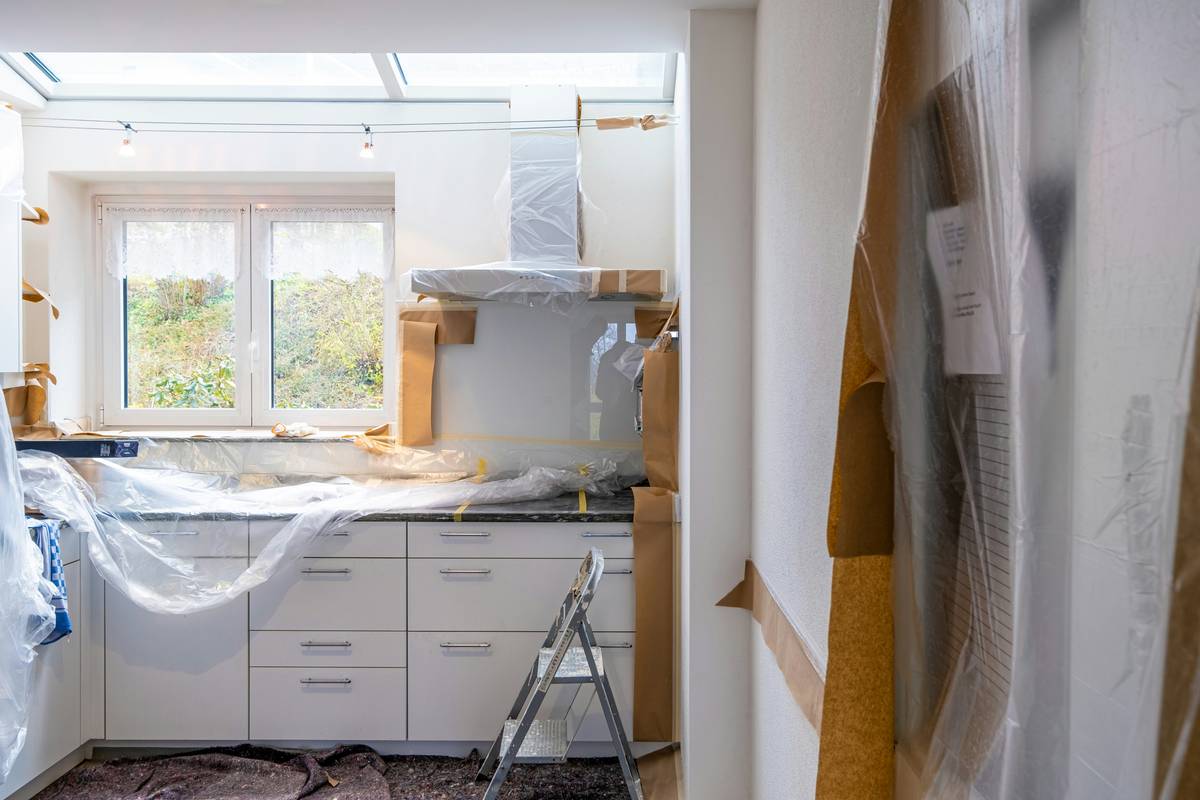
That said—my confession? Last spring, I specified a high-sheen, solution-dyed polyester carpet for a sunroom renovation—without verifying its UV-stabilizer rating. Within six months, the pile developed noticeable yellowing along the south-facing edge. No fault of the fiber itself: the manufacturer offered a UV-enhanced version; I simply didn’t ask. That’s why intentionality—not just price—defines smart carpet and flooring options.
How to Choose & Install Polyester Carpet: A 4-Step Action Plan
Step 1: Match Fiber Type to Room Function
Solution-dyed polyester (color baked into the polymer before extrusion) is non-negotiable for sunrooms, hallways, or homes with kids or pets—it resists fading and staining far better than yarn-dyed versions. For bedrooms, twist levels above 6.5 turns per inch ensure lasting texture. Avoid “polyester blends” marketed as “nylon-enhanced”—they often dilute performance with cheaper polypropylene.
Step 2: Prioritize Backing & Padding Compatibility
Polyester doesn’t bond well with standard latex adhesives. Always pair it with polyurethane-backed or action-back carpet—and use rebond padding with ≥6 lbs/ft³ density. Skip rubber waffle padding—it can discolor light polyester tones over time.
Step 3: Acclimate Before Installation
Let rolls rest unrolled in the room for ≥48 hours. Polyester expands/contracts more with humidity shifts than nylon—skipping acclimation causes wrinkling or edge lifting, especially in coastal or Midwest homes.
Step 4: Seal Seams—Don’t Just Tape Them
Standard seam tape fails with polyester’s low melt point. Use hot-melt seaming iron + compatible polyester seam tape (confirmed by the mill), then press with a seam roller for full fusion. Yes—it adds 15 minutes per seam. It also prevents gapping within 6 months.
5 Non-Negotiable Tips for Long-Term Polyester Carpet Performance
- Never steam clean polyester: Heat above 220°F can permanently flatten pile. Use cold-extraction or bonnet cleaning only.
- Rotate area rugs seasonally: UV exposure concentrates where rugs sit, creating visible “halos.” Lift and reposition every 90 days.
- Test cleaners on an inconspicuous corner first: Even “carpet-safe” citrus solvents can degrade some polyester coatings.
- Install door sweeps on exterior doors: Polyester traps fine grit like sand more aggressively than nylon—entryway abrasion accounts for ~35% of premature wear.
- Replace padding every 7–10 years—even if carpet looks fine: Compressed padding accelerates pile compaction and reduces sound absorption by up to 40%, per testing by the Carpet and Rug Institute.
Real Results: How Two Homeowners Saved $2,100+ Without Sacrificing Quality
When Sarah in Minneapolis replaced her 12-year-old nylon carpet, she insisted on durability—but her $1,800 budget was firm. Her installer recommended a 100% solution-dyed polyester in a dense cut-pile construction ($2.49/sq ft) with 8-lb rebond padding. Total installed cost: $1,742. Two years later, no visible crushing around her dining table chairs—and her toddler’s grape juice spill lifted completely with cold club soda and microfiber.
In Austin, Mark renovated a 1940s bungalow on a fixed-income budget. He chose a polyester berber (low-pile loop) for sun-drenched rooms and high-traffic corridors. The UV-stabilized product cost $0.92/sq ft more than basic olefin—but avoided $1,200 in potential fade-replacement costs within five years. His total investment was $2,318 less than comparable nylon—while meeting all local moisture-barrier codes for slab-on-grade foundations.
Frequently Asked Questions About Carpet and Flooring Options
- Can polyester carpet be used in basements?
- Yes—if paired with a moisture barrier underlayment and a mold-resistant padding. Polyester itself is hydrophobic (repels liquid), making it safer than nylon for slab-on-grade spaces with minor humidity fluctuations.
- Is polyester carpet safe for homes with allergies?
- Absolutely. Its smooth fiber surface traps fewer dust mites and pet dander than textured nylon. Pair with a HEPA-certified vacuum (like those tested by the Asthma and Allergy Foundation of America) for best results.
- How does polyester carpet compare to luxury vinyl plank (LVP)?
- They serve different needs: LVP wins for wet areas and scratch resistance; polyester carpet excels in comfort, sound absorption (up to 25% quieter than hardwood), and thermal insulation—cutting heating costs by ~3% in colder climates, per DOE data.
- Does polyester carpet off-gas VOCs?
- High-quality, Green Label Plus–certified polyester emits negligible VOCs—significantly lower than many laminate or engineered wood products. Look for the Carpet and Rug Institute’s Green Label Plus certification.
- What’s the biggest mistake people make with polyester carpet?
- Assuming “stain-resistant” means “clean-with-anything.” Bleach-based cleaners break down polyester polymers over time—causing permanent dulling and brittleness. Stick to pH-neutral formulas.
Choosing the right carpet and flooring options isn’t about chasing trends—it’s about matching material intelligence to real-life demands. Polyester doesn’t pretend to be nylon. It’s quieter, greener, brighter, and kinder to bare feet—all while keeping your budget intact. If you’re ready to upgrade with clarity (not confusion), contact us today. We’ll help you weigh true lifetime value—not just upfront sticker shock. Curious about our process? Learn more on our About Us page—or review how we protect your data in our Privacy Policy.
The floor beneath your feet shouldn’t whisper compromise—it should hum confidence.